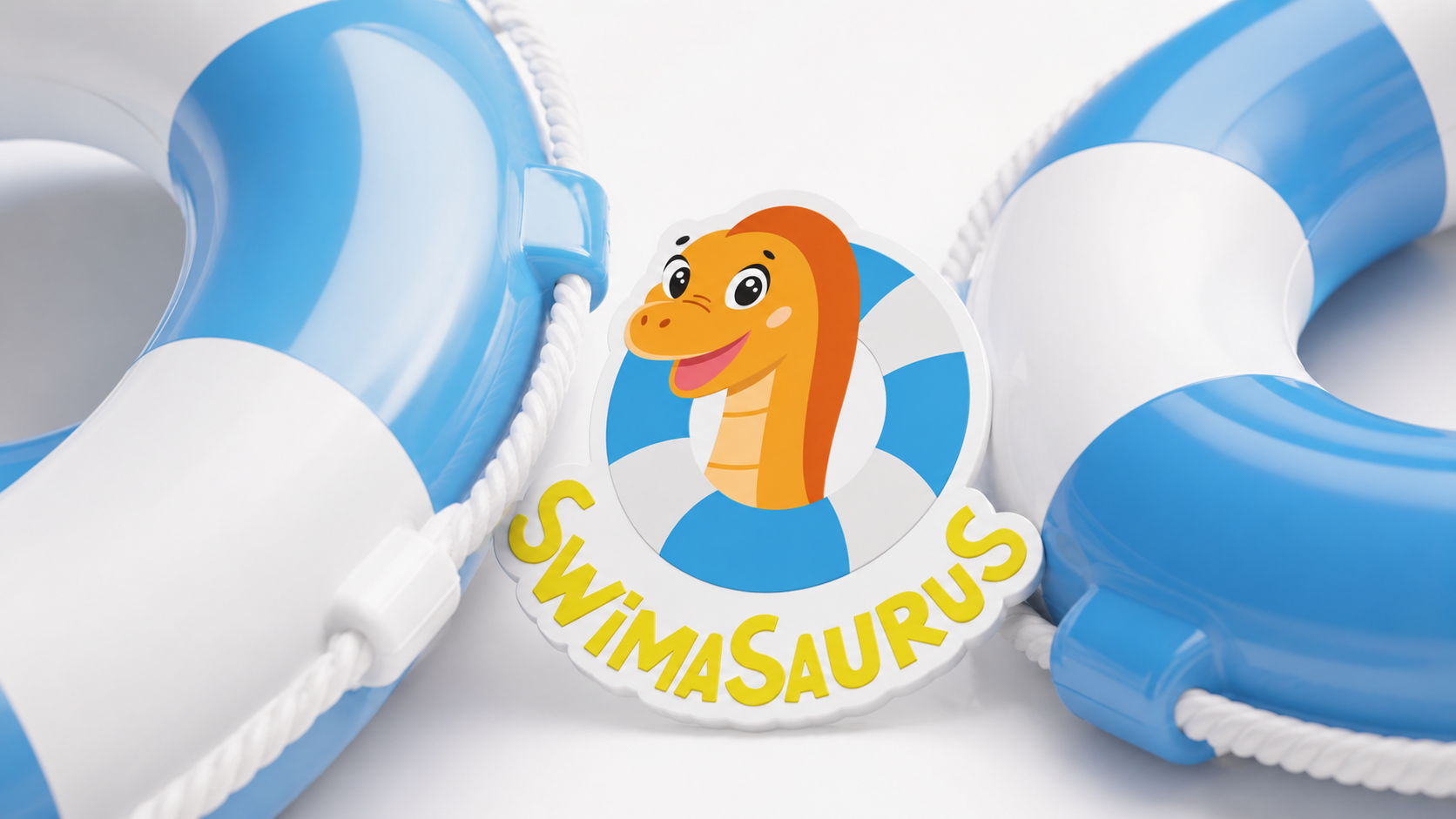
How do you make learning to swim feel less like a lesson and more like something a child actually wants to continue?
This was one of the most interesting parts of creating the illustrated book series for SwimaSaurus Swimming School. The goal wasn't simply to create children's books, but to build an experience where swimming skills, storytelling and small rewards worked together.
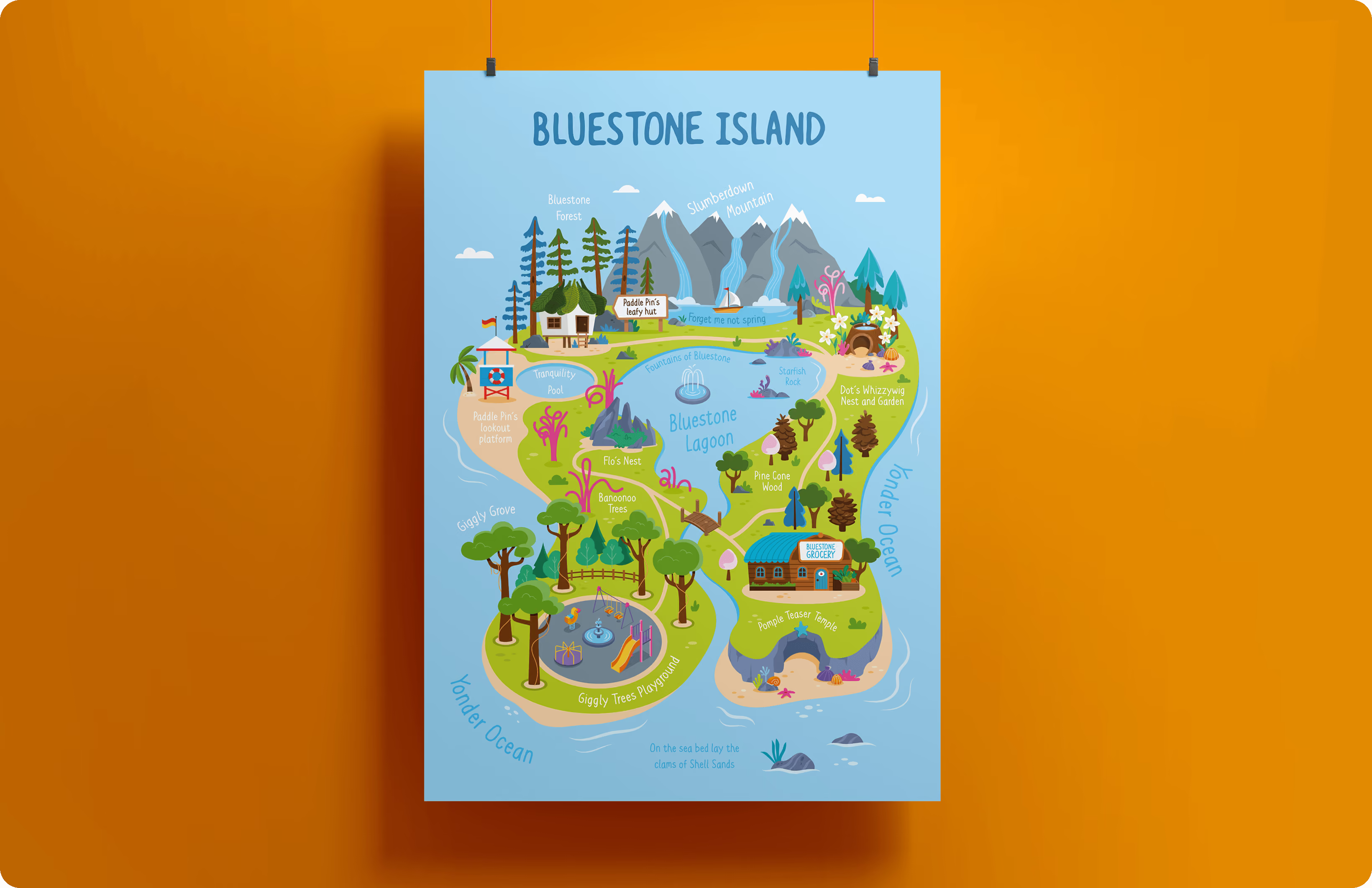
The series takes place on Bluestone Island, a magical world where each story introduces children to new swimming skills and water experiences.
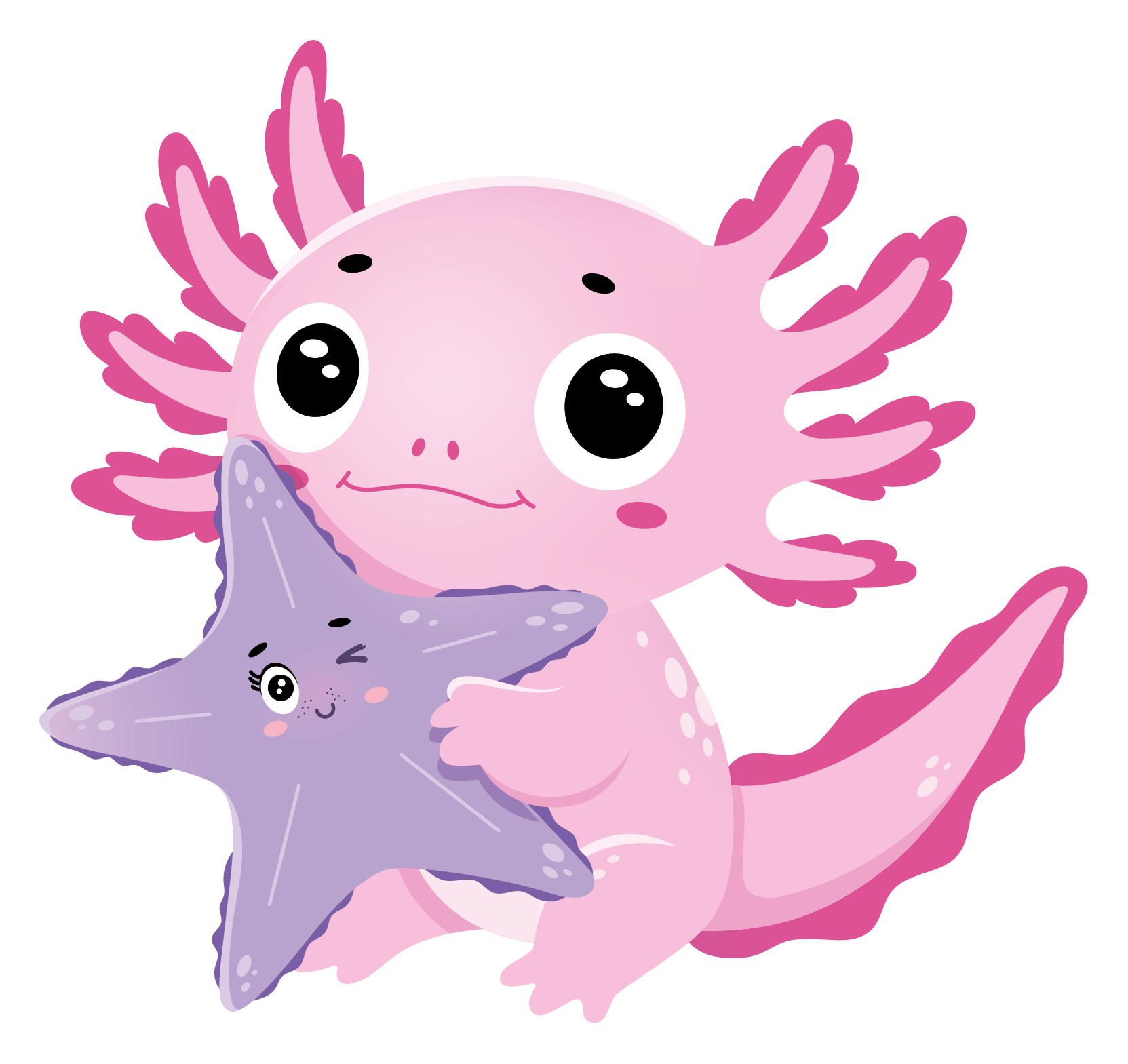
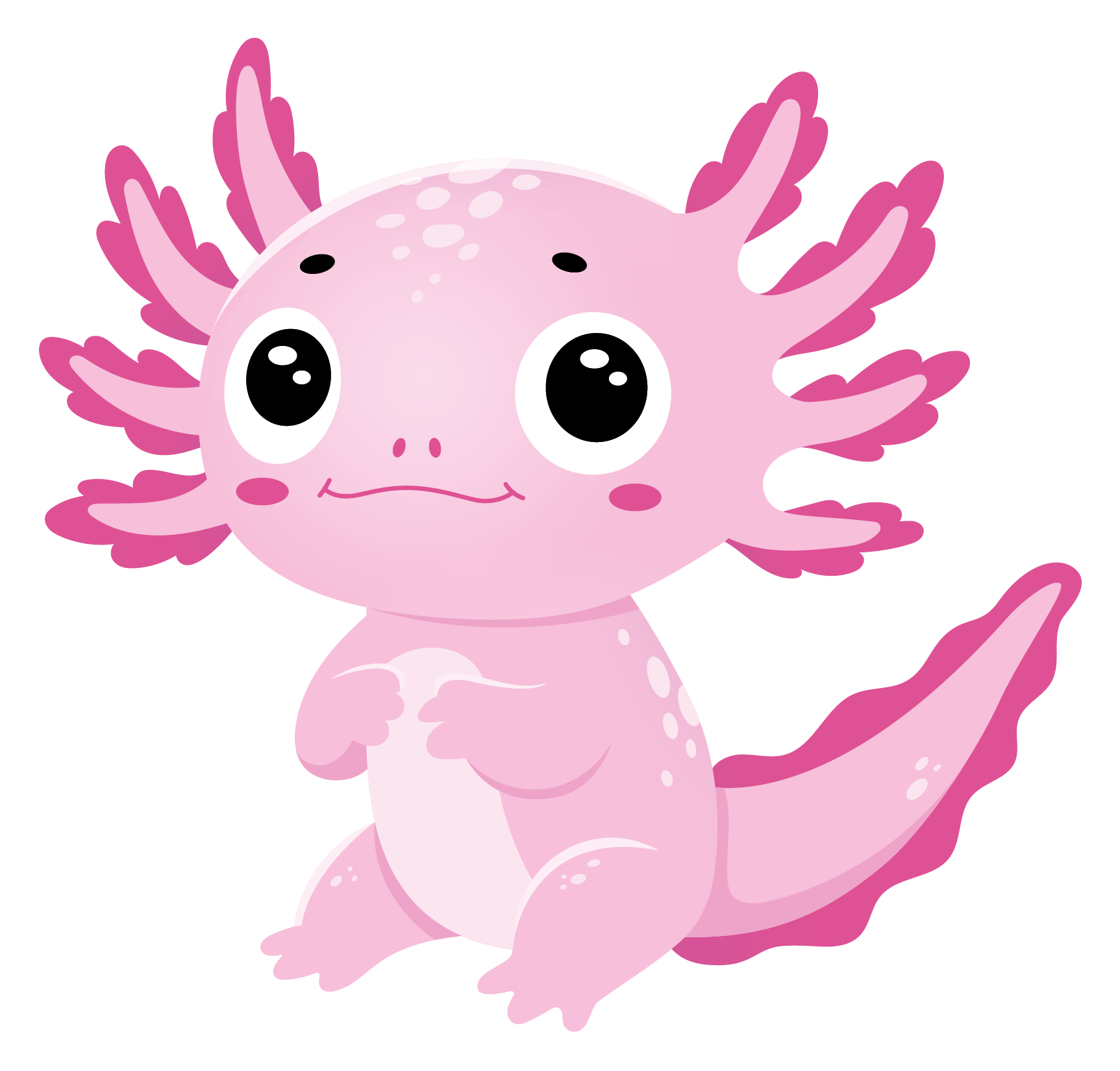
Children follow Dot, a little pink axolotl who is learning to swim herself. She can be curious, shy and sometimes unsure, making it easy for young swimmers to recognise their own feelings in her.
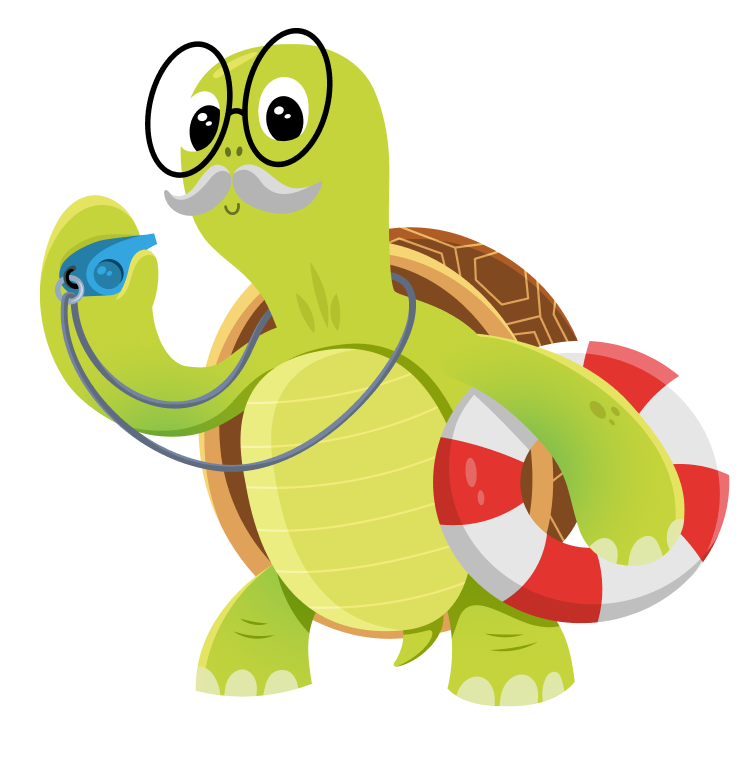
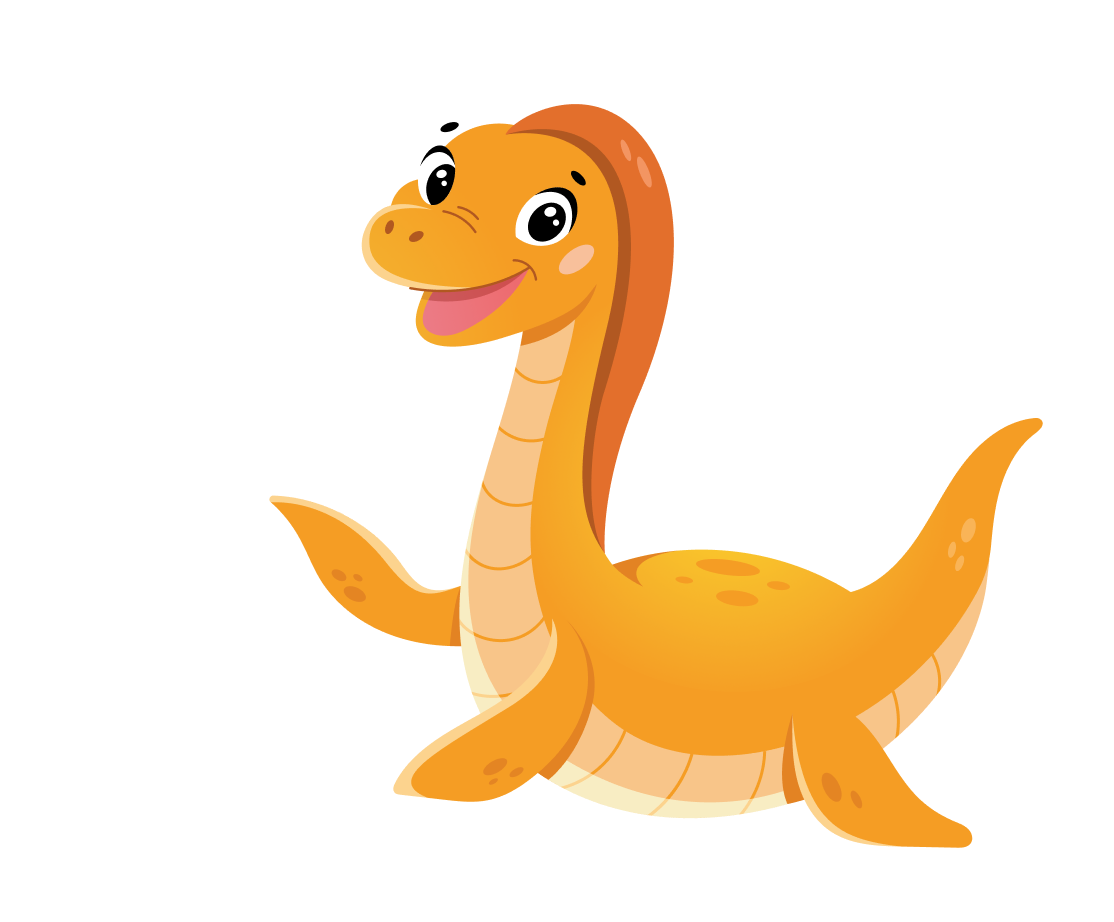
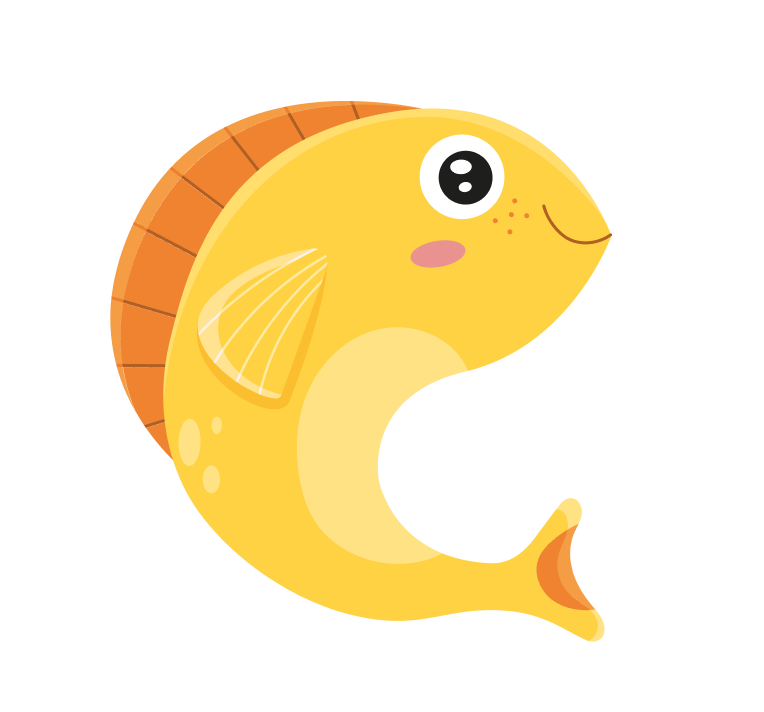
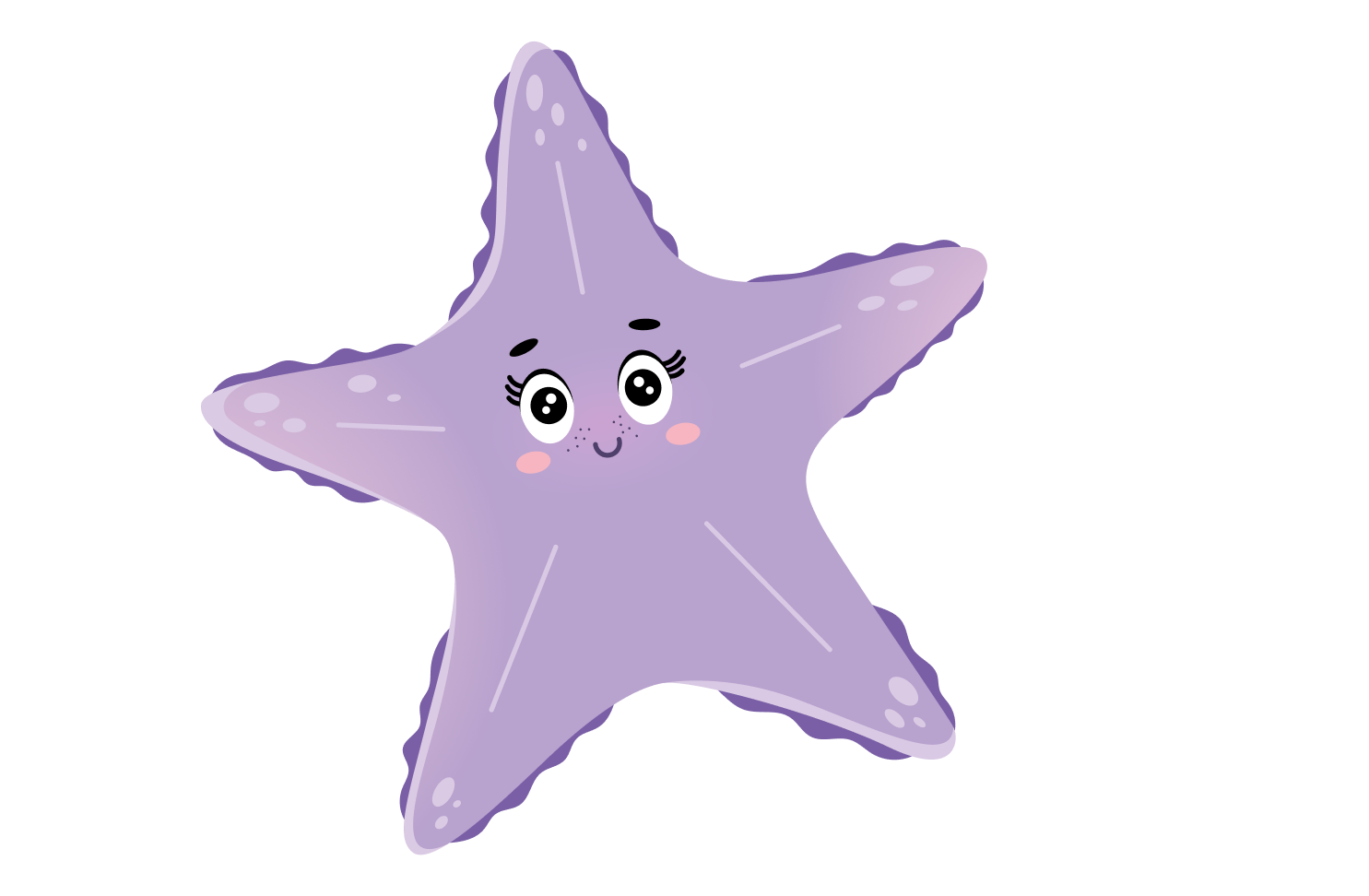
Alongside Dot is Flo, the SwimaSaurus who guides her through each adventure. Other characters introduce swimming skills in playful ways: Stella Starfish teaches Dot the star float, while the Giggly Groats help her discover the pencil float.
Instead of simply explaining a swimming technique, each skill becomes part of a story — something children can connect with and remember.
Stories give children a reason to keep going.
There is a character they can relate to, a new place to discover, a challenge to overcome and a sense of what comes next.
Bluestone Island turns the learning journey into something children can imagine and explore. They aren't simply moving from one swimming lesson to another — they are following Dot through a series of adventures.
Gamification is often associated with points, badges and rewards. But a reward becomes much more powerful when it represents something meaningful.
At the end of each SwimaSaurus book, children can receive a badge connected to the adventure they have completed.
The experience creates a simple loop:
Explore → Follow the story → Learn a skill → Complete the adventure → Earn a badge → Continue
The badge connects the fictional world of the book with the child's real swimming experience. After following Dot, practising the skill and finishing the story, they receive something tangible that says: I did it.
It makes progress visible and gives children another small reason to look forward to the next stage.

This project is also a good example of where children's illustration and product design begin to overlap.The illustrations aren't there only to make the books attractive. Characters create an emotional connection, environments build a world children want to explore, and recurring visual elements make the experience feel familiar from book to book.
Together with the badges, the books extend the SwimaSaurus experience beyond the swimming pool and connect lessons, stories and achievements into one playful universe.
For me, the most interesting lesson from SwimaSaurus is that gamification doesn't need to be complicated.
A relatable character, a world to explore, a sense of progress and a small reward can completely change how learning feels.The badge at the end of each book may be a simple object, but within the story it means much more:You completed this adventure. You learned something new. Now let's see where we go next.
And that's when learning starts to feel a little more like play.


